
The University of Warwick worked with Pleq on a three-month pilot to test how occupancy data could improve understanding of teaching space use. Click to read further.

Bart Valks

The University of Warwick worked with Pleq on a three-month pilot to test how occupancy data could improve understanding of teaching space use. The trial showed 97% sensor accuracy in education rooms and provided reliable evidence on attendance and booking patterns. The data, combined with the experience of the Pleq team, helped Warwick build a stronger business case and proposal for rolling out sensors across more teaching rooms.
The challenge of optimizing teaching space use
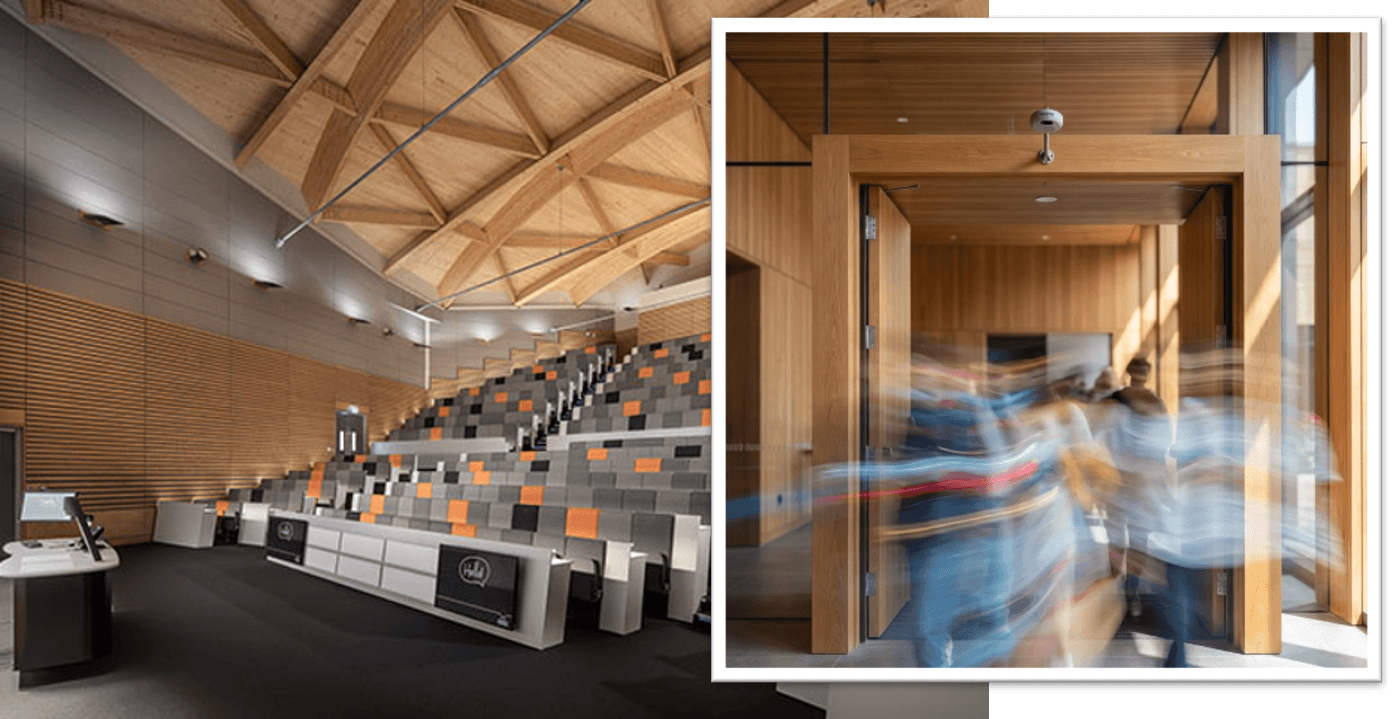
Through Digital Transformation, data- and insight-based decision making, the University of Warwick is reshaping how the university manages its campus spaces, assets and maintenance. As part of its wider approach to managing campus space, assets and maintenance, the University of Warwick is reviewing how teaching facilities are used to help meet changing needs. During the pilot, the Estates Management team gained a clearer understanding of the value of reliable occupancy information for future planning. The university wanted an evidence base that would show both overall utilisation trends and what happens at lesson level in individual rooms, so that decisions about timetabling, room allocation and future investment could be made with greater confidence.
“Pleq helped us validate the technology and move beyond data collection to focus on the decisions and outcomes that matter for future space planning.”
-Brett Plant, Head of Estates Information and Systems
The Pleq Occupancy Data Platform
In a three-month pilot, the University of Warwick tested the Pleq Occupancy Data Platform for gaining the required insights into its teaching spaces. After a smooth installation and calibration process, the Occupancy Data Platform was launched just a month after receiving approval for the project. Over three months of data collection, more than 10.000 live data points were collected by the sensors, and a dataset with frequency and occupancy rates were collected with more than 500 lesson hours. For each lesson hour, approximately 20 sensor measurements were used to determine the room usage of that lesson.

Gaining confidence through testing sensor accuracy
At the start of the pilot, the University of Warwick conducted regular manual counts to validate the accuracy of the sensor data in teaching rooms. By comparing manual counts with the nearest sensor measurements, the university was able to test performance under real teaching conditions. The results showed 97% accuracy, giving the Estates Management team confidence in the reliability of the data. This was an important outcome of the trial, as it demonstrated that occupancy data could provide a credible basis for operational review and for a wider rollout proposal.
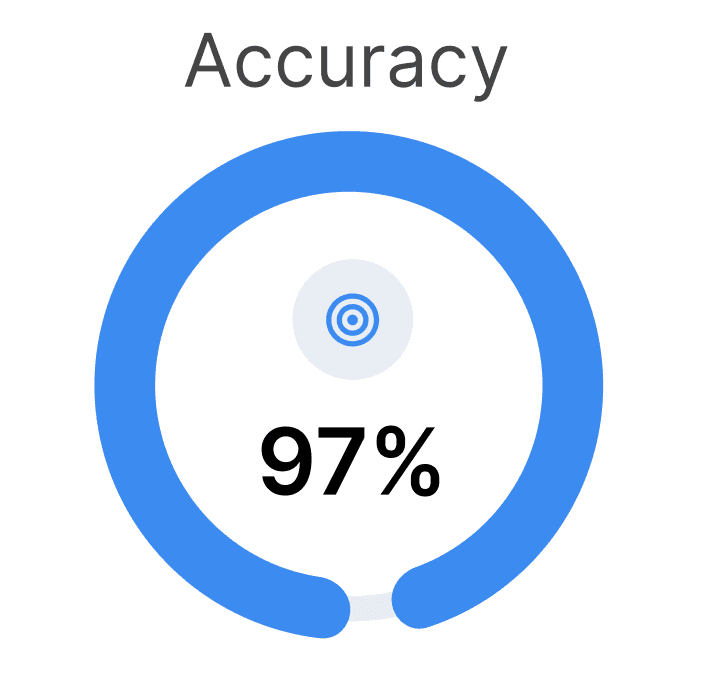
“Achieving 97% accuracy gave us confidence in the sensor technology and the data underpinning our space management decisions.”
-Matt Hoper, Estates Data, Analytics and Insights Manager
Understanding teaching space use
The collection of high-accuracy sensor data across 3 months has yielded insights that were not available before. Most notably, the university has gained detailed insight into the attendance patterns during the trimester. Furthermore, the sensor data provides occupancy data at 5-minute intervals, enabling a deeper understanding of room needs and bookings, supporting better insights and planning.
The insights from the pilot gave Warwick a clearer understanding of where space-optimisation opportunities may exist and provided evidence to support a business case for broader sensor deployment to better align between room size and business need.
“Pleq has given us the confidence and evidence we needed to roll out occupancy sensors across more areas of the University. This will help us build a broader understanding of space use and support informed decisions about our estate.”
- Sarah Butler, Space Manager
Turning pilot findings into a rollout business case
The pilot gave Warwick a stronger evidence base for future teaching-space planning. Validated occupancy data, supported by the experience of the Pleq team, helped the university develop a business case and proposal for wider use of occupancy sensors across teaching rooms. The results of the existing space use were supplemented with opportunities to better align room use to demand, signaling a potential improvement of at least 15%.
The findings thus provided greater insight into attendance patterns, booking behaviour, and the alignment between room size and attendance, supporting more informed decisions about teaching space across the estate.
If you would like more information and want to see how your institution can experience this value through a three-month pilot, email: hello@pleqcampus.nl


